Indigenous Women Entrepreneurs Transforming Community and Opportunity in Suriname
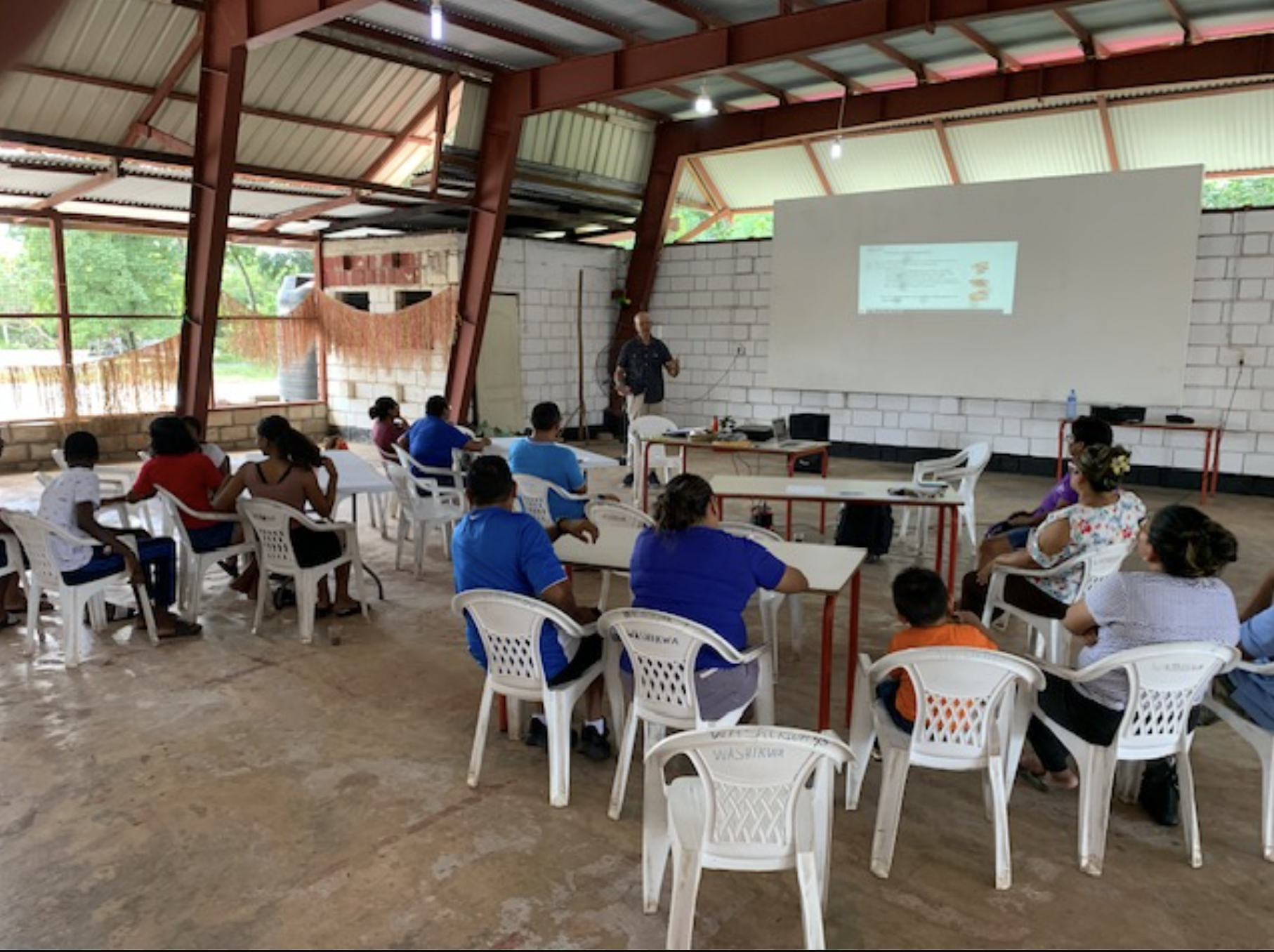
Advisor Ronald Mon-Kau delivering food safety training to staff at APL+ during a recent assignment with Catalyste+. Village council Korhopa Matta has continued working with Catalyste+ following the success with CA Bryan Marshman.
Matta Korhopa is a self-sustaining Indigenous Arawak village in Suriname, with approximately 500 people and is led by village captain Wendeline Sabajo. The village lives off self-sustained agriculture, fishery, and forestry, maintaining its deep cultural and land-based traditions. The village council leads the population in executive decision-making, seeks external opportunities to increase economic longevity, and encourages the villagers to live and think innovatively and self-sufficiently.
Villagers make most of their income through agricultural production, such as the promotion of cassava products; handicrafts by women who handmake baskets and jewelry from natural materials; and tourism, with the operation of trail tours. Located approximately 2.5 hours from Paramaribo and surrounded by lush, untouched nature, Matta is one of Suriname’s closest villages to the coast, offering a unique opportunity to expand. According to Wendeline, the majority of the entrepreneurs in Matta’s tourism and hospitality industry are women, and these new opportunities enable them to become economically independent and empowered.
What was the problem?
Before working with Catalyste+, Matta’s entrepreneurs and villagers faced challenges around business and financial management knowledge, including how to set prices, manage profits, and maintain financial records. This made it difficult to sustainably grow their small businesses, limiting their village’s economic potential.
Surrounded by a natural network of freshwater creeks, the council recognized an opportunity to build a tourism industry based on land tours and cultural exchange. However, they lacked a strategy to further develop their tourism industry into a sustainable source of income while simultaneously preserving the environment and mitigating negative effects. Indigenous Peoples live harmoniously with their natural surroundings and place a heavy emphasis on conservation, not wanting tourism to negatively affect the environment. The council was unsure of how to attract visitors, provide cultural experiences, or collaborate with external partners like tour companies, while maintaining their relationship to the land. Catalyste+ Advisor (CA) Bryan Marshman worked with Matta on three assignments across six months to develop their business knowledge, tourism plan, and apply for external funding. Acknowledging the great number of women working in the hospitality industry, Bryan worked closely with Village Captain Wendeline Sabaja to create their tourism strategy through a gender-sensitive lens.
What was the solution?
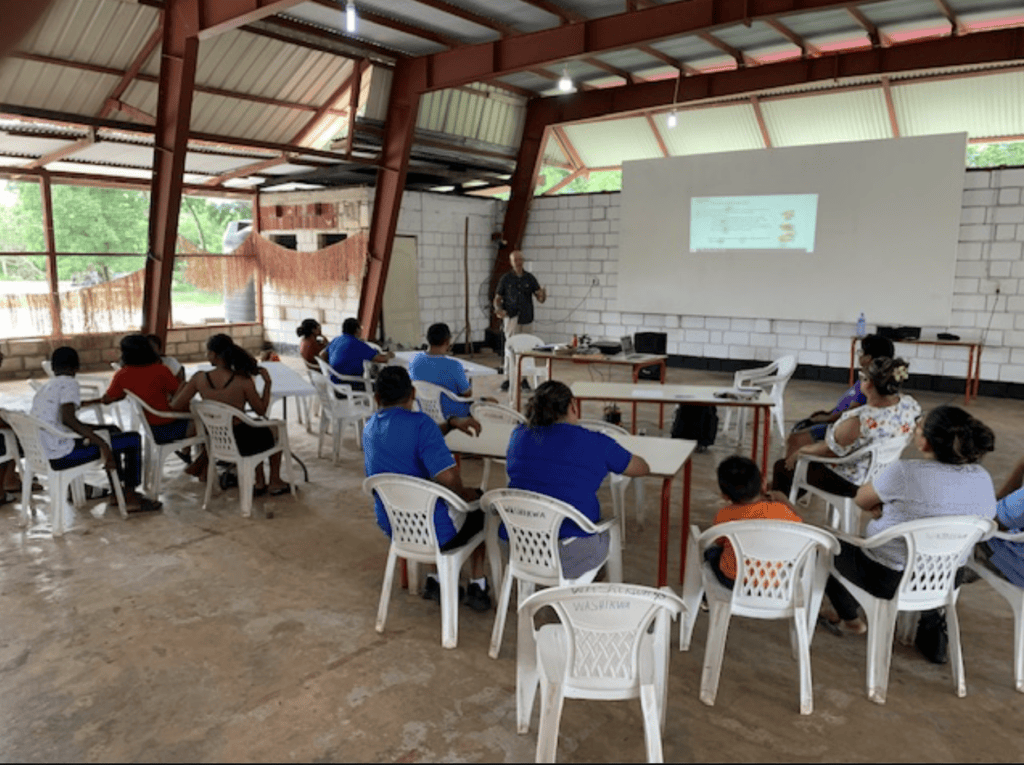
In the first of three assignments, Bryan delivered a series of practical, hands-on training sessions to build the village entrepreneurs’ business and financial skills. Across multiple sessions, he shared financial practices and tools such as how to set prices, record profits, and expand on business success. Bryan aimed to equip participants with the knowledge and tools needed to manage their businesses more effectively and make informed financial decisions.
Wendeline and Bryan met multiple times to structure lessons to address the village’s challenges with their tourism industry. Together, they delivered comprehensive, gender-sensitive workshops and led consultations with the council, villagers, and external partners. He then created a SWOT analysis that informed a structured Tourism Action Plan and Marketing Plan, and created data collection tools and baseline indicators to help the village track progress. This combination of training, planning, and practical tools equipped the community with the knowledge and systems needed to grow a sustainable tourism sector.
Lastly, Bryan worked with Matta to help them develop a structured tourism project proposal, including a detailed budget for completing a visitor welcome centre. He guided Matta to write a project application for the Canada Fund for Local Initiatives (CFLI) for tourism development. Across all three assignments, Bryan and Wendeline would have regular checkpoints to highlight gaps and successes. Since each lesson had approximately 80% women attendees, they developed training materials through the lens of women’s economic empowerment.
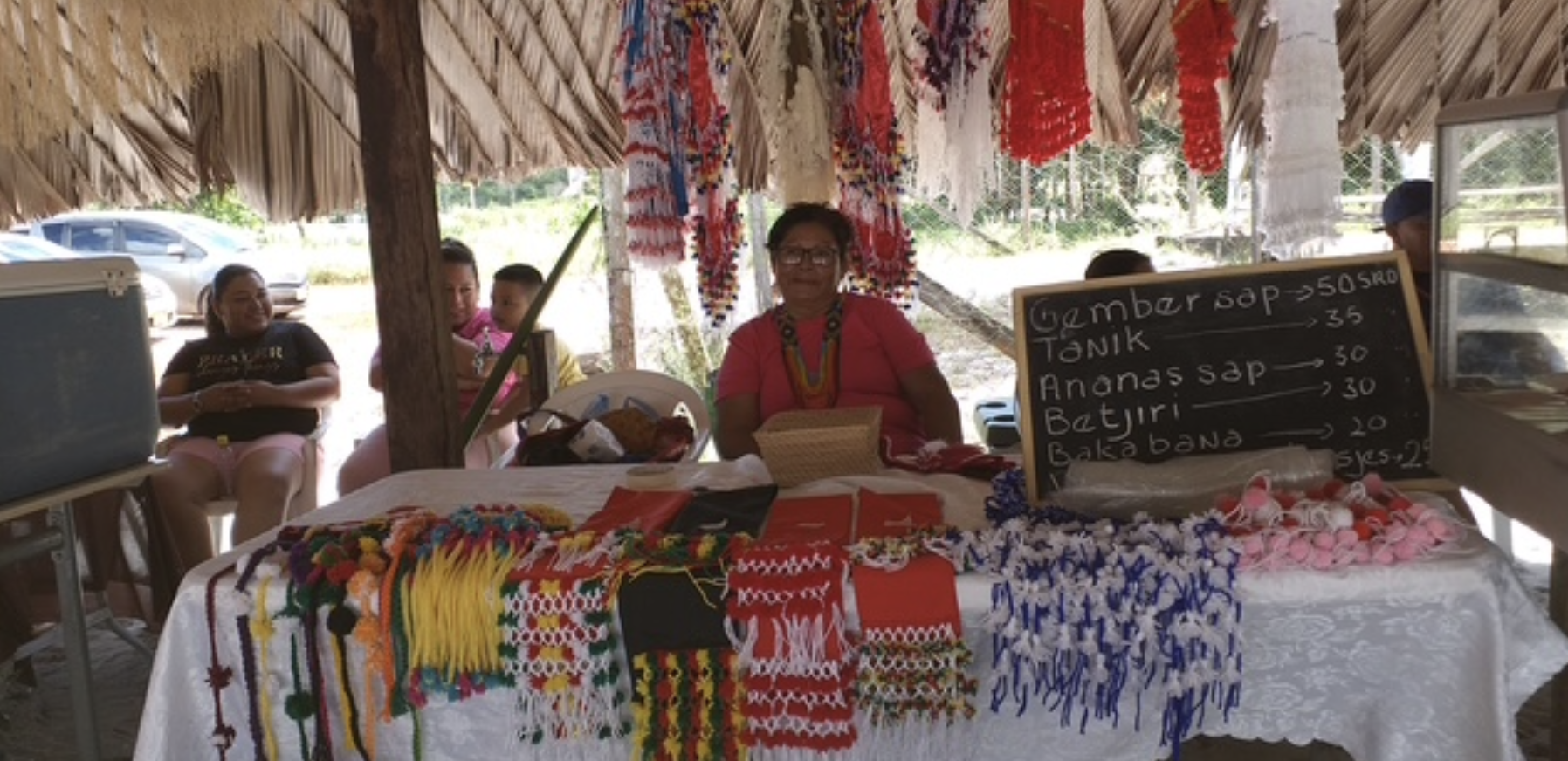
With the village captain and most of the council elders being women, this training allowed them to take on more initiative and leadership, which inspired the other women in the community.
Results and changes observed
Overall, the assignments improved the knowledge, skills, and confidence amongst participants, who have since shared their learnings with other villagers. Matta enhanced their ability to make informed business decisions, improve financial management, and build their economic future. In the tourism-related assignments, village leaders and participants gained a stronger understanding of their villages’ strengths and long-term economic potential, and the importance of preserving and showcasing their Arawak culture.
In the third and final assignment with Bryan, the village council successfully drafted a full project proposal and created a detailed budget for completing a visitor welcome centre. This will provide a dedicated space for administrative functions and visitor services, and promote tourism activities and local products. In the short-term, this led to immediate physical improvements, such as the village cleaning the site where the centre will be built. Additionally, the council gained confidence to apply to the call for proposals by the Canada Fund for Local Initiatives.
With the village captain and most of the council elders being women, this training allowed them to take on more initiative and leadership, which inspired the other women in the community. This strengthened their capacity to contribute to community decision-making, supporting equal economic empowerment. Wendeline shared that, following the training, women were immediately sharing ideas on how they can improve and promote their village.
Scale-up, replication, sustainability and innovation
Given the success of the assignments with Catalyste+, Matta, and particularly the women in the community, they now have the confidence to pursue their goals. They have developed the skills to make independent financial decisions based on data, such as deciding how to price a certain product based on seasonal demand. “Thank you, Catalyste+, for helping the village because now we have advanced skills,” says Wendeline. “We have a village tourism plan.. We are now in the phase of implementation. We hope the cooperation with Catalyste+ will continue.”
Matta developed new sections of their village tourism plan and were successful in their submission to the World Wildlife Fund (WWF) in Suriname. They were also approved for a hiking trail that visits multiple freshwater creeks, and they are currently in the early stages of clearing and construction. Beyond their tourism goals, they hope to develop the village for its residents, including a new daycare and educational centre, with resources for seniors as well. The skills gained during the assignment are expected to lead to stronger businesses, increased incomes, and overall improved quality of life within the village.