Intention for Reconciliation
At Catalyste+, our Reconciliation Action Plan is more than a set of internal goals. It is a public and evolving commitment to participate meaningfully in truth, healing, and justice. We acknowledge the harm caused by colonial systems — past and present — and the responsibility that organizations like ours carry in dismantling barriers, rebuilding trust, advancing equity and reshaping relationships.
Our intention is to walk together with Indigenous Peoples by supporting shared leadership, shared accountability, and community-defined priorities, guided by the principles of respect, reciprocity, and responsibility. We aim to meaningfully consider and apply Indigenous Ways of Knowing in our practices, and to ensure that reconciliation efforts are shaped and led by community priorities.
We understand that reconciliation is an ongoing, iterative, non-linear process – one that is deeply human. It calls for humility, self-inquiry, sustained learning, and concrete action. It requires us to reflect on our assumptions and practices, and take responsibility for how we show up in relationships — through listening, respect, and accountability in our actions.
This plan is one step — shaped by listening, strengthened by trust-based relationships, and accountable to the Indigenous partners and communities who guide us through ongoing dialogue and partnership.
As we move forward, we are also guided by the spirit and intent of the United Nations Declaration on the Rights of Indigenous Peoples (UNDRIP), and by our commitment to walk together, in a good way.
Reconciliation in Action
Catalyste+ plays a unique role in supporting reconciliation in action by connecting Indigenous organizations with a network of over 2,000 expert volunteer advisors helping foster respectful and reciprocal relationships between Indigenous and non-Indigenous communities.
Each time a Catalyste+ advisor collaborates with an Indigenous organization, there is an opportunity for mutual knowledge exchange — sharing skills while listening deeply, honouring Indigenous culture, sovereignty and self-determination goals, and recognizing the ongoing impacts of colonialism. These relationships are not transactional; they are invitations to help remove barriers, build trust, and support community-defined priorities.
The commitment of our advisors and staff, combined with the wisdom and leadership of Indigenous partners, enables us to create opportunities for co-creation, learning, and dialogue. Through this collective work, we aim to contribute to embedding reconciliation into the everyday fabric of our programs, partnerships, and professional practices — not as a one-time effort, but as a continuous journey toward equity and justice.
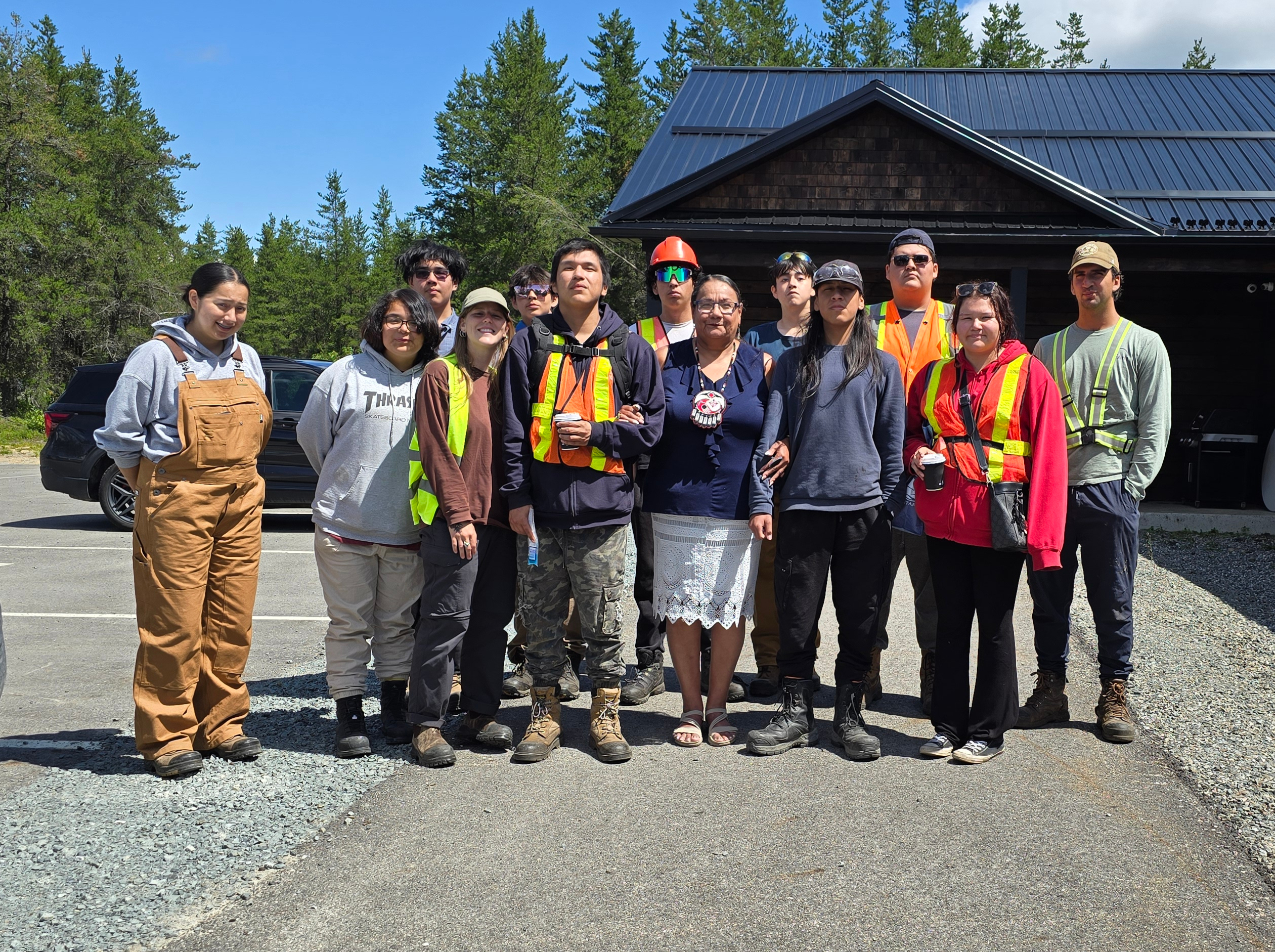
Ways to Support Reconciliation
While the RAP Intention expresses the principles that guide our commitment to reconciliation, Catalyste+ also seeks to translate those principles into practice through the way we work. Our volunteer model creates opportunities for meaningful collaboration between Indigenous organizations and a diverse network of professional advisors. Through these relationships, we aim to support capacity building, mutual learning, and respectful partnerships that contribute to reconciliation in tangible ways.